


Windscreen Cleaners
A clean, clear windscreen is essential for safe flight. Aircraft Plexiglas and polycarbonate windscreens require specialist cleaning products — standard glass cleaners and household sprays can cause crazing, hazing, and micro-scratches that permanently reduce clarity and structural integrity.Our range covers aviation-specific Plexiglas and polycarbonate cleaners, anti-static formulations that repel dust and reduce re-soiling, scratch-resistant cleaning cloths safe for optical surfaces, and products suitable for windscreens, side windows, and canopies.Protect your windscreen investment — use only products formulated for aircraft transparencies and always apply with a clean, soft cloth.
-


- SKU: 3004
- Plexus
Limpiador protector y abrillantador de plástico Plexus, 13 oz
Precio habitual $89.95Precio habitualPrecio unitario por -
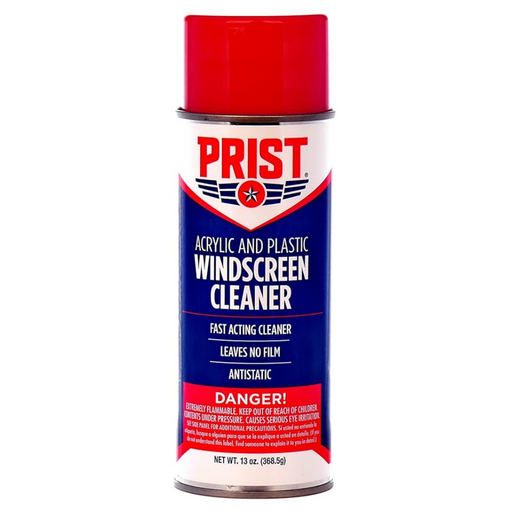
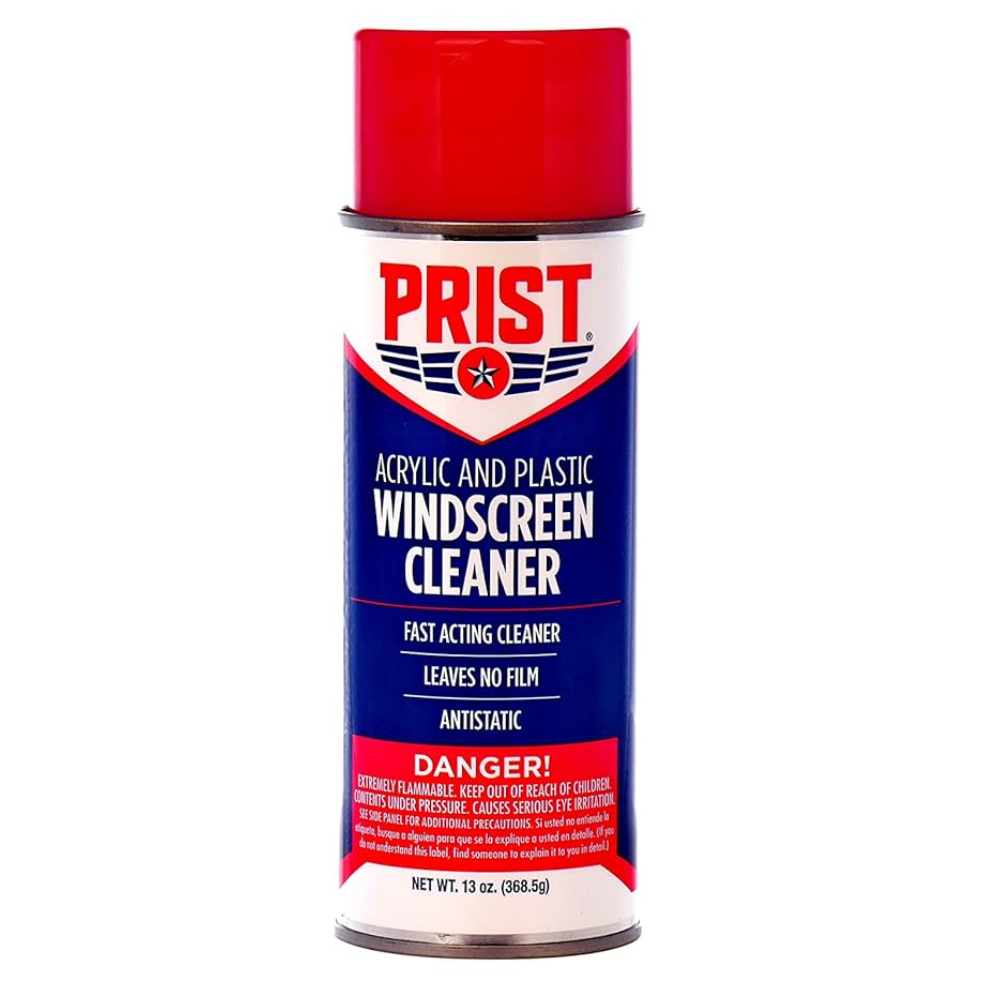
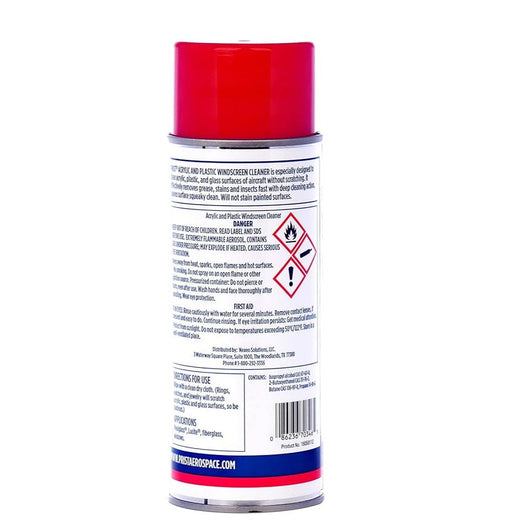
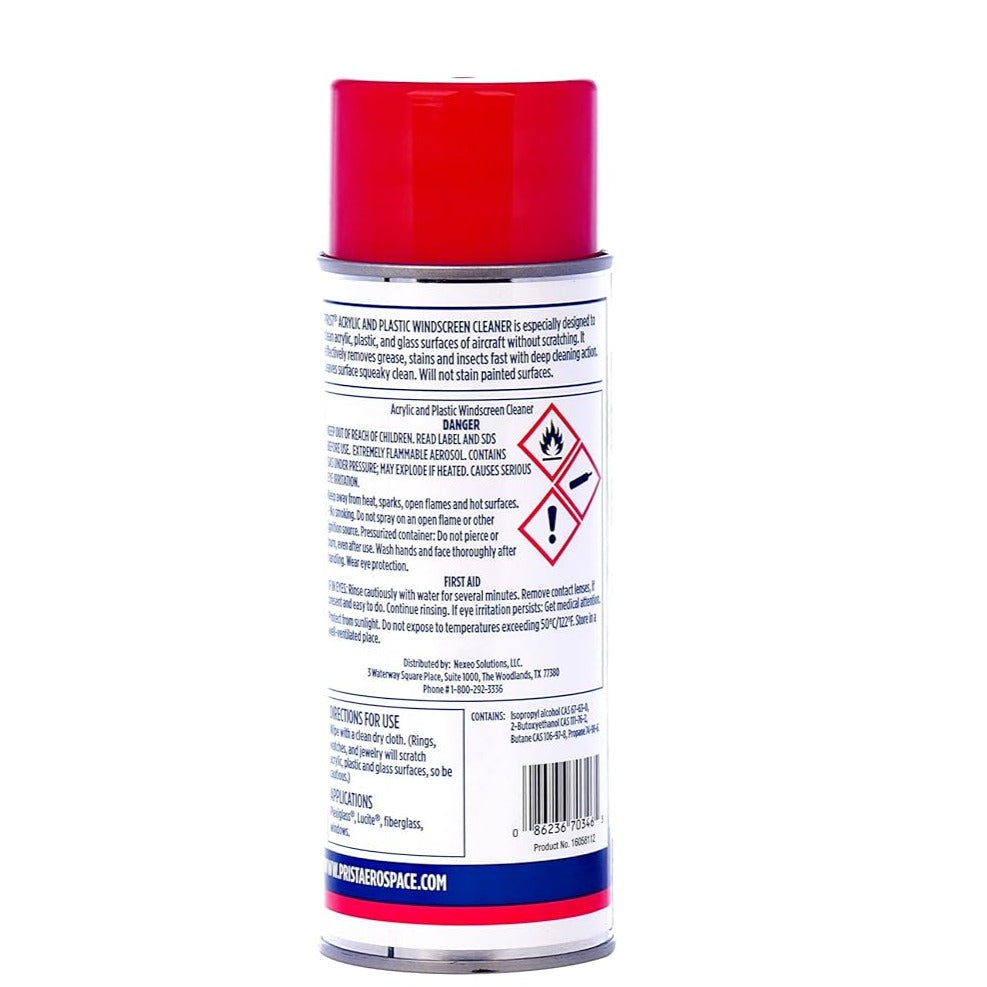
- SKU: PGC13
- Univar Solutions
Prist Acrylic and Plastic Aircraft Windscreen Cleaner - 13oz
Precio habitual $25.95Precio habitualPrecio unitario por -
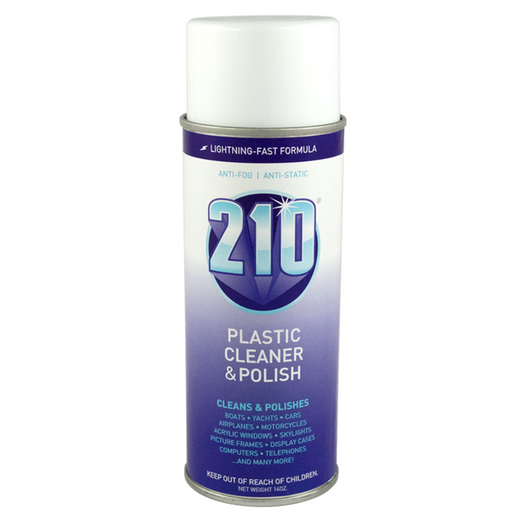
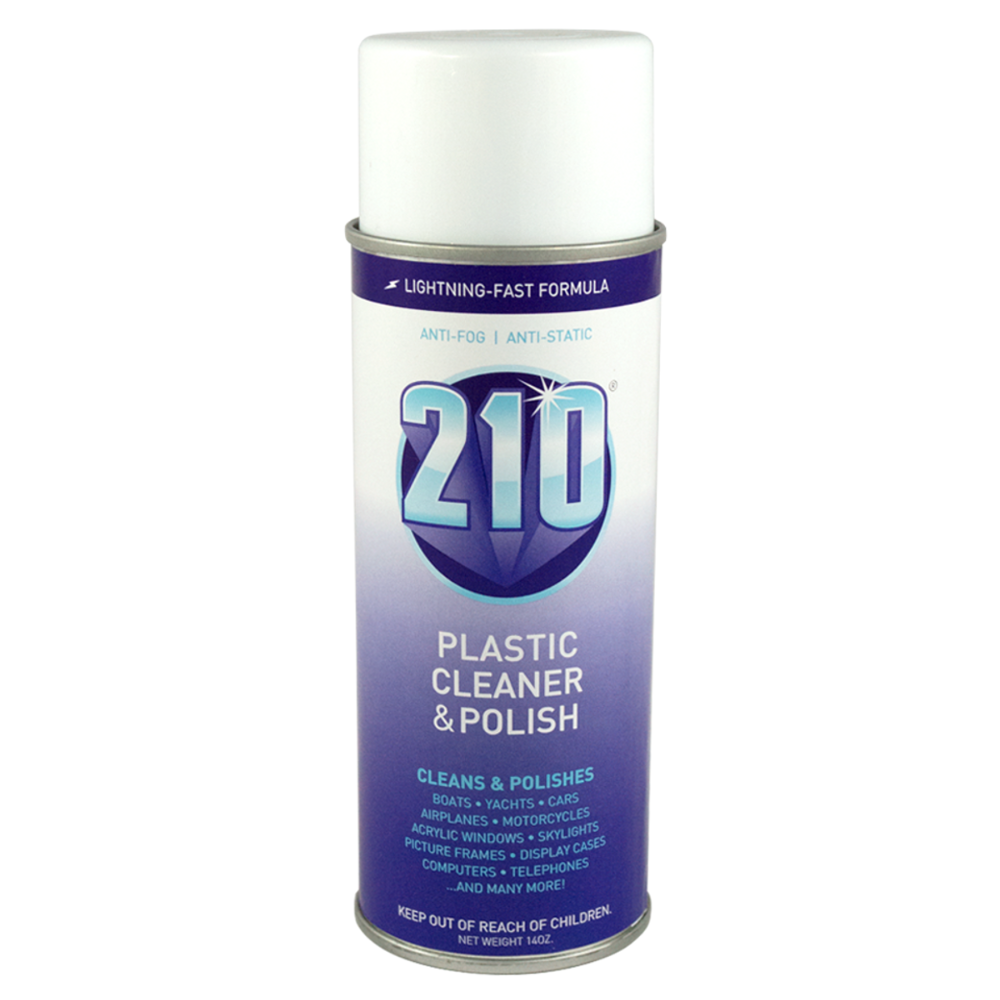
- SKU: 210-PCP
- Sumner Laboratories
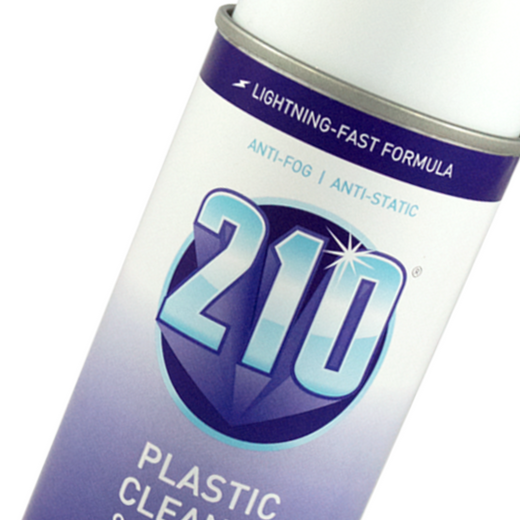
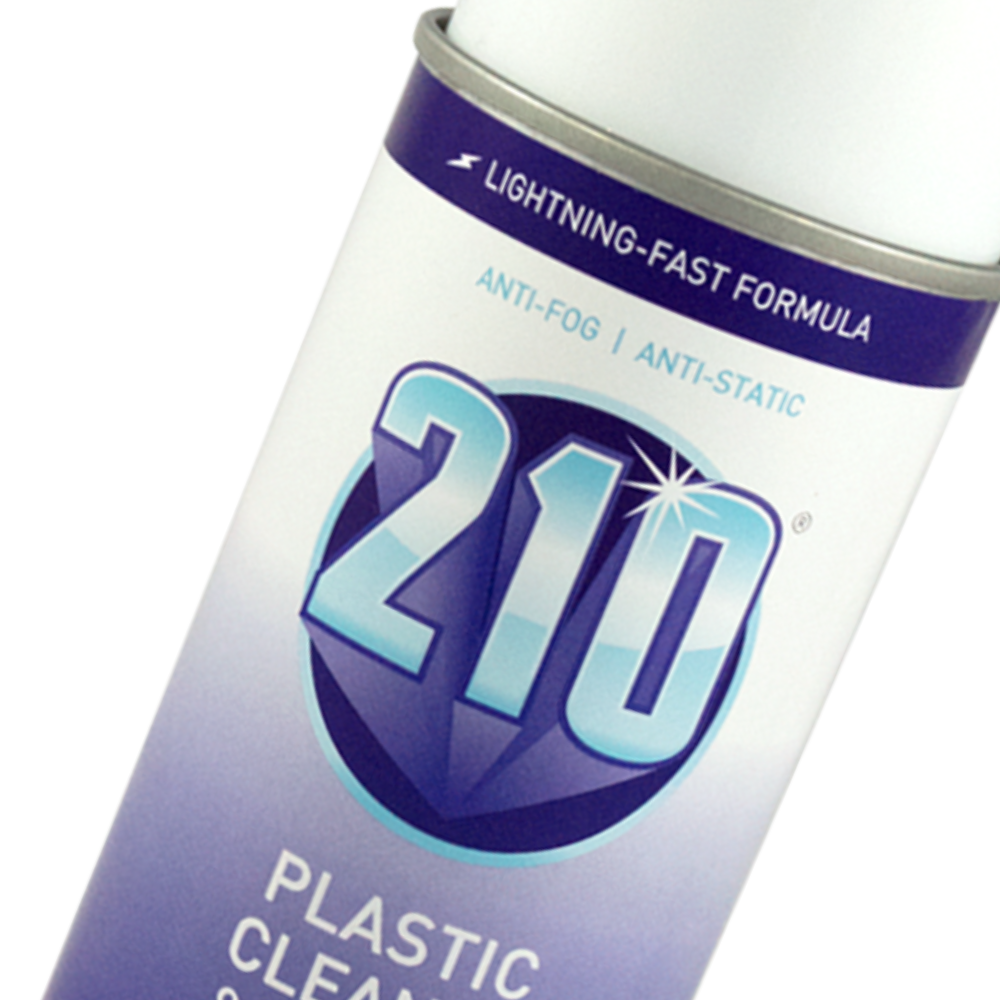
210 Limpiador y abrillantador de plásticos
Precio habitual $48.95Precio habitualPrecio unitario por -
- SKU: 56955
- Corrosion Technologies
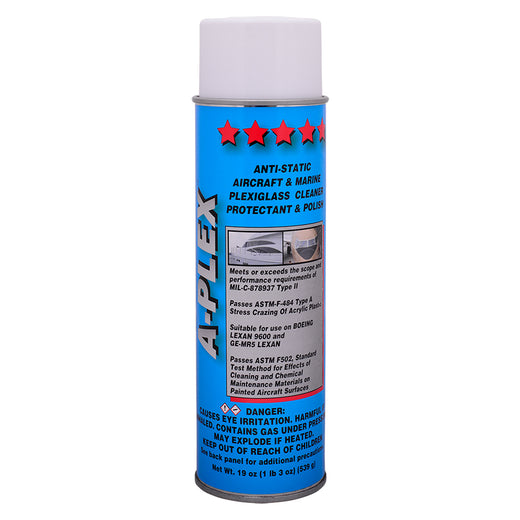
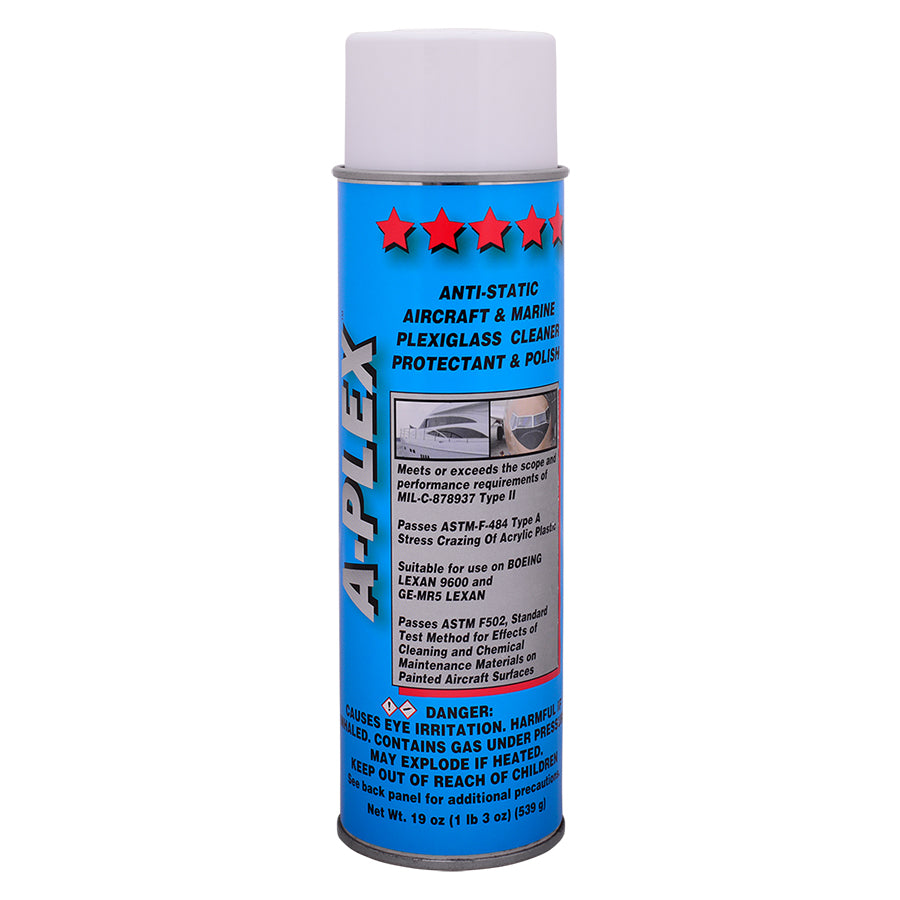
A-Plex Plexiglass Cleaner, Protectant and Polish 19oz
Precio habitual $49.95Precio habitualPrecio unitario por


